



How to Brew Tea at Home Perfectly Premium
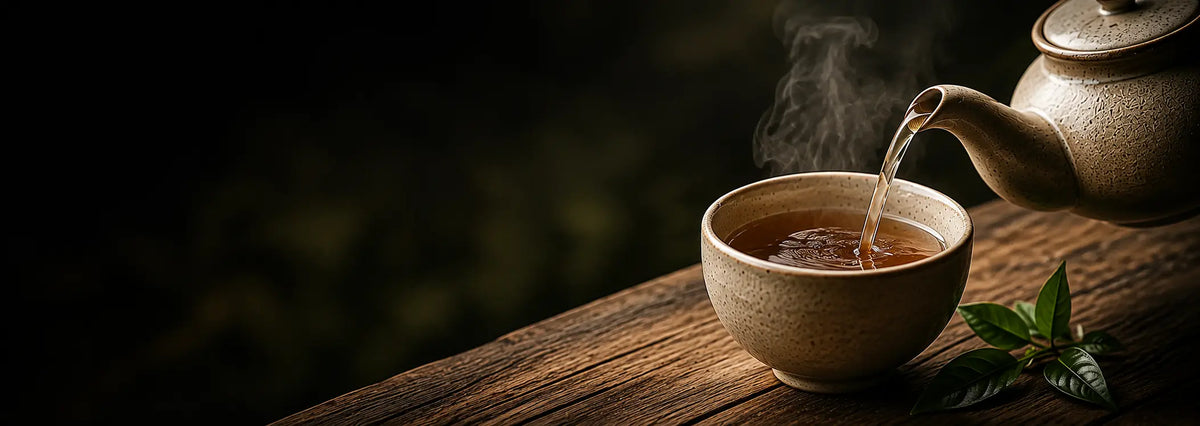
There’s a certain quiet transformation to making tea right. Not rushed. Not forgotten beside a laptop. Not just boiled and poured from habit. But prepared with intention. CEYARA’s premium tea is unique as opposed to the conventional varieties because it has more character, more scent, more nuance, and more identity with where it comes from. And the brewing process everything’s dependent on: temperature, steeping time, leaves, and the pause before everyone takes a sip; everything impacts your cup in a similar way. Here at Ceyara, brewing tea should feel less like a task at hand and more like something we do as a ritual. We will study the best ways to brew premium tea at home, right from selecting just the right water to understanding why it makes such a big difference to make a single tweak.
The Importance Of Brewing When Making Premium Tea
They are more expressive than high-quality tea. While heavily blended supermarket tea bags are not just created for consistency, premium tea displays:
- origin.
- craftsmanship.
- leaf quality.
- terroir.
- freshness.
It’s no different, especially with single-origin Ceylon tea. Depending on the flavour, it can be bright and citrusy, rich and malty, or soft and floral.
- altitude.
- climate.
- soil.
- processing methods.
When brewed properly, these natural qualities will be dramatically more visible. If made with the wrong ingredients - overly hot water, steeping too long, or using inferior quality water - then even a wonderful brew would be flat and bitter. Good brewing is not perfectionism. It’s letting the tea breathe.
Start with Quality Tea Leaves
The leaf is a fundamental foundation of great teas. Loose leaf tea usually offers:
- larger intact leaves.
- better flavour clarity.
- improved aroma.
- more natural expansion during brewing.
That’s part of why a lot of tea lovers ultimately leave the standard tea bag for a more leafy, free tea.
But now you alos have the opportunity to enjoy the larger intact leaves and superior expansion while enjoying the convenience of a tea bag by using pyramid tea bags.
If you want to learn how the distinction comes to be, check out the read where we break down Loose Leaf vs Tea Bags: Which Is Better for Quality and Wellness?
Use Fresh, Filtered Water
Tea is mostly water. So of course, water quality matters. Maintains fresh filtered water ensures:
- flavour clarity.
- aroma.
- smoothness.
Hard water, or boiled water over and over, can dull the flavor of delicate tea notes. It’s easy for something as simple as a slight alteration in water quality to yield one of the largest gains in brewing. The bright amber color and natural crispness shine through beautifully and fresh water makes this a high-quality Ceylon tea.
Choose the Right Water Temperature
One of the most common brewing mistakes is using boiling water for every tea. Different teas respond differently to heat.
General Brewing Temperatures
| Tea Type | Temperature |
|---|---|
| Black Ceylon Tea | 95–100°C |
| Green Tea | 75–85°C |
| White Tea | 70–80°C |
| Herbal Infusions | 95–100°C |
Measure Tea Properly
It’s the balance that gives the premium tea its benefits. If you drink too little, things are going to be weak on both sides in tea cups. Too much can fill one’s palate.
Simple Guideline:
1 teaspoon of loose leaf tea per cup, about 200–250ml. Adjust based on:
- personal taste.
- tea type.
- desired strength.
With good loose leaf tea, a small measure of it goes further than a small amount as the flavour is inherently richer and more nuanced.
Steeping Time Changes Everything
Steeping controls extraction.
This is where flavour develops, but also where bitterness can appear if tea is left too long.
Recommended Brewing Times for Each Type
| Tea Type | Steep Time |
|---|---|
| Black Ceylon Tea | 3–5 minutes |
| Green Tea | 2–3 minutes |
| White Tea | 2–4 minutes |
| Herbal Tea | 5–7 minutes |
Shorter steep:
- lighter body.
- softer flavour.
Longer steep:
- stronger body.
- deeper intensity.
- Experiment slowly.
The goal is not “strongest.” It is balance.
Allow the Leaves to Expand
This is the reason loose leaf tea makes for a better brewing affair. Leaves in total require room to open completely. As they unfurl, they release:
- aroma.
- natural oils.
- layered flavour.
This definitely gives the overall appearance of a much more refined cup.
Pyramid tea bags facilitate expansion as compared to old-fashioned flat tea bags. That is why many premium brands give them a big twist. However, loose leaf tea is still the closest experience to the traditional tea brewing method.
Brewing as a Daily Ritual
Tea is not just about the taste. It is also about rhythm. The very process itself can be calming:
- heating water.
- preparing the leaves.
- watching the colour deepen.
- pausing before their first sip.
These small moments of concentration break up a busy day. This idea is developed a bit further in our blog about How to Create a Personal Tea Ritual That Fits Your Day.
Understanding the Identity Of Ceylon Tea
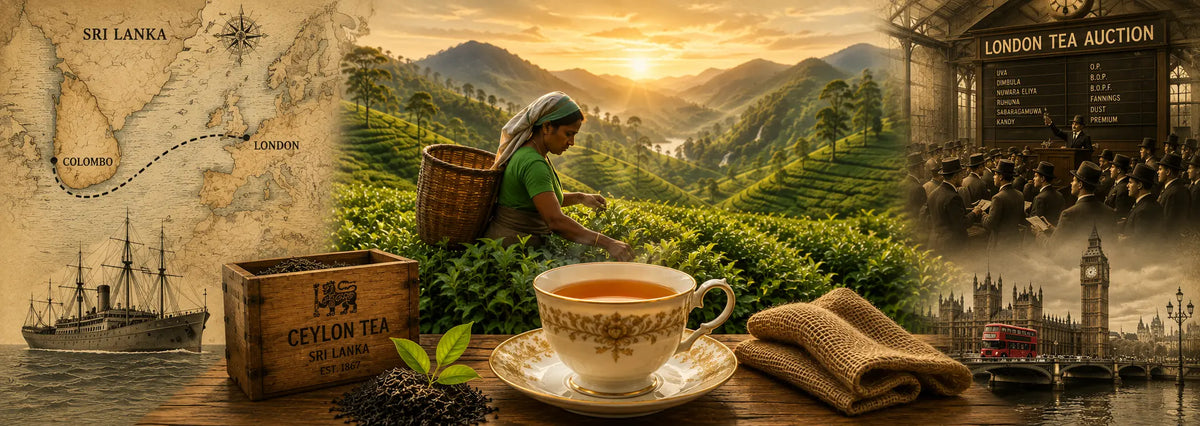
Ceylon tea is expressive, a rare thing. Grown in the highlands of Sri Lanka, it is known for:
-
bright flavour.
-
golden amber colour.
-
refreshing finish.
-
layered aroma.
Different elevations make for different personalities. This diversity is one of the reasons why premium tea originating from Ceylon is revered around the world. Knowing this origin frequently alters the perception of the tea and how you experience it.
The Right Teaware Makes a Difference
You don’t need expensive machines to make tea. But several helpful tools:
- glass or ceramic teapot.
- tea infuser or strainer.
- temperature-controlled kettle.
- clear glass cups for visual appreciation.
Glass teaware is particularly lovely for Ceylon tea, where amber is incorporated into the tea experience in itself. Taste is more than just a part of premium tea. It engages atmosphere.
Avoid These Common Brewing Mistakes
Not even great tea can deliver when produced thoughtlessly.
Over-Steeping.
Creates bitterness and harshness.
Using Stale Water.
Reduces flavour vibrancy.
Using Too Much Tea.
Overwhelms subtle flavour notes.
Poor Storage.
Tea readily absorbs moisture and smells.
Store tea:
- in airtight containers.
- away from heat.
- away from direct sunlight.
Freshness matters.
Why Brewing Premium Tea Feels Different
There is a reason many people slowly make their way toward better tea over time. Not because it’s trendy. The reason? Once you experience:
-
clearer flavour.
-
real aroma.
-
connection to origin
it is hard to return to pure convenience tea.
Premium tea encourages you to see your cup of tea as a mindful ritual. Slowing down, noticing rich flavours that go beyond just tea leaves, and creating moments of calm are some of the few things.
That emotional connection matters as much as the tea itself.
Experience Tea More Intentionally
- Better leaves.
- Better water.
- Better moments.
When all these components come together, tea becomes more than just the routine of daily practice. It becomes a break in life. A means of reconnecting, if only for a moment, with yourself and the world around you.
Explore more from Ceyara’s Sri Lankan tea journal:

Written by Ceyara Ltd



Leave a comment
This site is protected by hCaptcha and the hCaptcha Privacy Policy and Terms of Service apply.