




Article: Is Peppermint Tea Good for You? What a Cup Can (and Can't) Do

Is Peppermint Tea Good for You? What a Cup Can (and Can't) Do
Few herbal teas carry as much reputation as peppermint. It's the cup people reach for after a big meal, when the stomach feels unsettled, or late in the evening when coffee is off the table. Search for its benefits, though, and you'll meet everything from "balances your hormones" to "clears your skin", often with very little behind it.
This guide looks at what a cup of peppermint tea can reasonably offer, who should be careful, and how to brew a cup worth sitting down for.
The short answer about this tea
Certain: pure peppermint tea is caffeine-free, has virtually no calories and tastes cool and fresh, hot or iced.
Plausible, and gentle: many people enjoy a cup after a meal. It's a long tradition.
Worth knowing: peppermint can make heartburn and acid reflux worse in some people.
Check first: If you're pregnant, take regular medication, or have reflux, gallstones or kidney stones.
What peppermint tea does well?
Caffeine-free as it comes
Pure peppermint tea leaf contains no caffeine at all. With many people starting to adopt better daily health choices as caffeine cutoffs, this tea type holds a significant position in this culture. This eliminates the need for a different tea for eleven in the morning and eleven at night.
One caution to look out for: a lot of "mint tea" blends contain green tea, as in Moroccan-style mint tea, and green tea does contain caffeine. Check the ingredients if you want a caffeine-free cup. Our guide to naturally caffeine-free teas lists more.
Works great after a meal
Serving mint after a formal dinner in the UK has been a long tradition, originating as early as 1962. People in those days identified mint, the family, for its ability to cleanse the palate and aid digestion.
Today, peppermint, a specific member of the “mint” family, makes its way through the after-dinner culture. Part of it is tradition and part of it is how it feels: the cool, clean flavour acts as a full stop after a rich plate. Many people also find that a warm cup after eating is simply calming.
There's a plausible reason beyond habit. Menthol is known to relax smooth muscle in the digestive tract, which is why peppermint oil has been studied for gut discomfort. A cup of tea is a much gentler dose, so think of it as a soothing ritual that some people find helps, not a remedy.
Drinking peppermint after eating is a custom in many cultures, from Moroccan tea glasses to British Sunday lunches.
Benefit before bed (with one noteworthy catch)
Peppermint tea absolutely benefits before bed. But the complete explanation has two parts.
The good part. Peppermint tea has no caffeine, so it won't keep you awake the way a late builder's tea or coffee might. Making it also gives you five unhurried minutes: kettle, cup, steep, sit. For other options, see our guide to the best tea for evening relaxation.
The caveat: If you're prone to heartburn, peppermint and lying flat are a poor combination. Peppermint can relax the muscle valve at the top of the stomach, and lying down gives acid an easy route upwards. If that sounds like you, drink your cup earlier in the evening and give yourself a gap before you go to bed, or choose a different herbal tea.
It's cooling, aromatic, and freshens your breath
A steaming cup of peppermint tea can bring the same cool and refreshing sensation you get from the raw peppermint leaves. The reason behind this is menthol. It is common across all variations in which you can consume peppermint.
Many tea lovers consume peppermint tea for its known breath-freshening benefit. This continues from the earlier, which offers an aroma-refreshing cleanse after a heavy meal. Even beyond meal times, they feel nice, and sometimes that is enough.
It helps you drink more fluids without sugar
A calorie-free flavoured drink makes it easier to drink enough throughout the day, and swapping a sugary drink for peppermint tea is a sensible small change. That's the real story behind its "weight loss" reputation. Peppermint tea doesn't speed up your metabolism, but it can replace something with calories in it.
This indirectly leads to a benefit for your skin, as drinking enough fluids is good for your skin generally, but it isn't an actual skin treatment.
Peppermint, spearmint or mint tea: what's the difference?
| Feature | Peppermint | Spearmint | Mint Tea Blends |
|---|---|---|---|
| Botanical Name | Mentha × piperita, a natural cross of watermint and spearmint | Mentha spicata | Varies |
| Key Compound | Menthol | Carvone | Varies |
| Taste | Bold, cool, crisp | Softer, sweeter | Varies; often sweetened |
| Caffeine | None | None | Often yes, if green tea is added |
| Reflux | Higher menthol, so more likely to trigger it | Lower menthol; some people tolerate it better | Depends on the blend |
How to choose a good peppermint tea
The label tells you almost everything. Here's what to look for:
One ingredient. The ingredients list should read "peppermint leaves" and nothing else. "Natural flavouring" usually means mint oil has been added to boost a weak leaf.
The Latin name. Mentha × piperita confirms it's true peppermint, not a mix of mints.
Whole leaf, not dust. Fine powder loses its aroma quickly. Whole, gently dried leaves keep more of their aroma and brew a cleaner, fuller cup. A good peppermint tea should smell of mint before you've added water.
No green or black tea. If you want it caffeine-free, check that the pack says so.
Organic certification, if that matters to you, with the certifier's code shown. See our guide to choosing organic tea.
Airtight packaging. Mint is aromatic and fades fast. Keep it sealed, cool, dark and away from strong smells, as we explain in how to store tea for freshness.
In Conclusion
Peppermint tea is a lovely thing: cool, clean, caffeine-free and good company after a meal. It isn't a cure, a hormone fix or a skin treatment, and for some, it can be the wrong cup. Enjoy it for what it is, and ask your GP or pharmacist if you have a health condition or take medication.
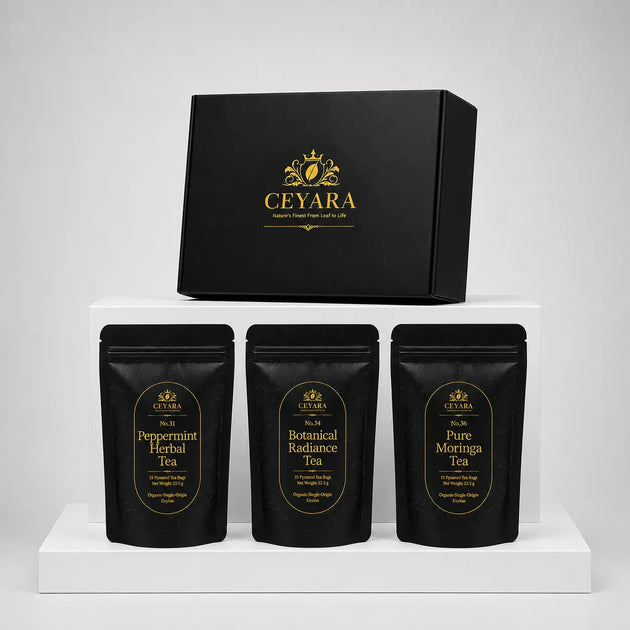
If you'd like to try it, our Peppermint Herbal Tea is made from whole organic peppermint leaves, and you'll find more in our herbal tea collection.

Written by Ceyara Ltd



Leave a comment
This site is protected by hCaptcha and the hCaptcha Privacy Policy and Terms of Service apply.