


How Ceylon Tea Conquered British Cups: A Trade History
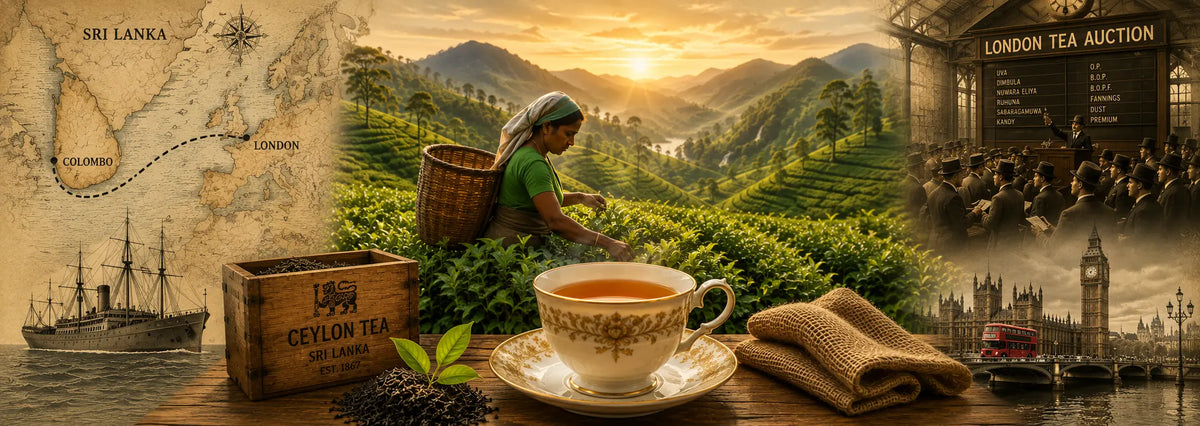
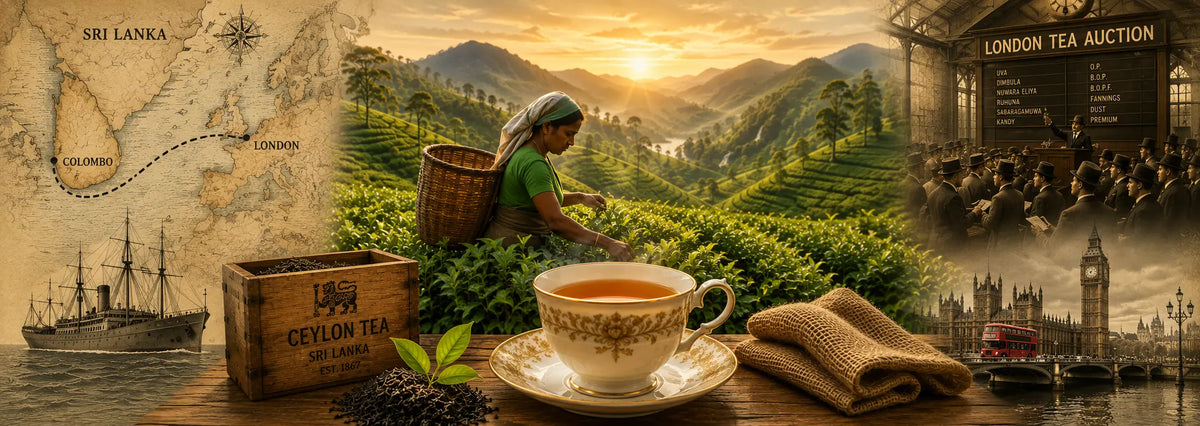
In 1867, a Scottish planter carved a tea garden out of a failing coffee estate in the hills near Kandy. Fast forward a few decades, and this single experiment reshapes what British households reach for at breakfast today. Let us walk through this shift, from the beginning to the end, revealing how the result of a plant disease ended up conquering the British lifestyle, becoming an unignorable part of their daily taste palate.
Tea's Uncertain Beginnings
The first tea plant arrived on the island from China in the early 1800s under British colonial rule, but not as a serious commercial crop. British planters were experimental, testing which plants might thrive in the island’s varied climate. During this era, Coffee was the real business at the time; tea was just a curiosity growing quietly in the cool highland soil, waiting for a reason to matter.
When Coffee Failed
That reason arrived in the 1860s, in the form of coffee leaf rust, a fungus that tore through the island’s coffee plantations. This left estate owners searching for a replacement crop almost overnight. That’s when realization hit; the same cool, fertile highlands of Sri Lanka that had nourished coffee turned out to be close to ideal for tea cultivation. Thus, a crisis became the opening the industry needed.
James Taylor and the First Commercial Harvest
Scottish planter James Taylor is the name most tied to what happened next. In 1867, he established one of the first successful commercial tea plantations at Loolecondera Estate. Seeds are said to be sourced from Assam, India, as well as some from the Peradeniya cultivations as well. Influenced by the unique terroir of the Sri Lankan highlands, the plant altered its chemistry and flavour profile.
Refining every stage of production himself- hand-plucking, rolling, drying, and processing tea leaves in one of the island's earliest dedicated tea factories- James Taylor created the signature brisk, bold flavour Ceylon grown black tea is famous for worldwide. And right there, the first batch of Ceylon black tea was born, ready to conquer global lifestyles.
It didn't take much long for other estate owners to follow. Within a short span, the industry had a real foothold across the highlands.
From Loolecondera to the London Docks
Growing good tea solved only half the problem. Reaching buyers overseas was the next milestone. In 1873, one of the first commercial shipments made the journey from Sri Lankan estates through the Port of Colombo to London. These tea crates were then loaded onto a British steamship named the “Duke of Argyll” and reached the London docks. The route that formed became the backbone of the entire trade.
British merchants noticed the quality immediately: a bright colour and clean, refreshing character that stood apart from what they were used to buying.
Auctions, Merchants, and a Growing Reputation
As production scaled up, so did the infrastructure behind it. London's tea auctions introduced the new arrival to wholesalers and retailers across Britain, while the Colombo Tea Auction, established in 1883, strengthened the export network from the other end.
Better grading, packaging and shipping meant buyers could trust what they were getting. Batch after batch, the same reliable quality was maintained. That consistency, more than anything else, is what turned a promising crop into a trusted trading relationship.
Why It Won Over British Drinkers Over Time
A few genuine qualities explain the staying power:
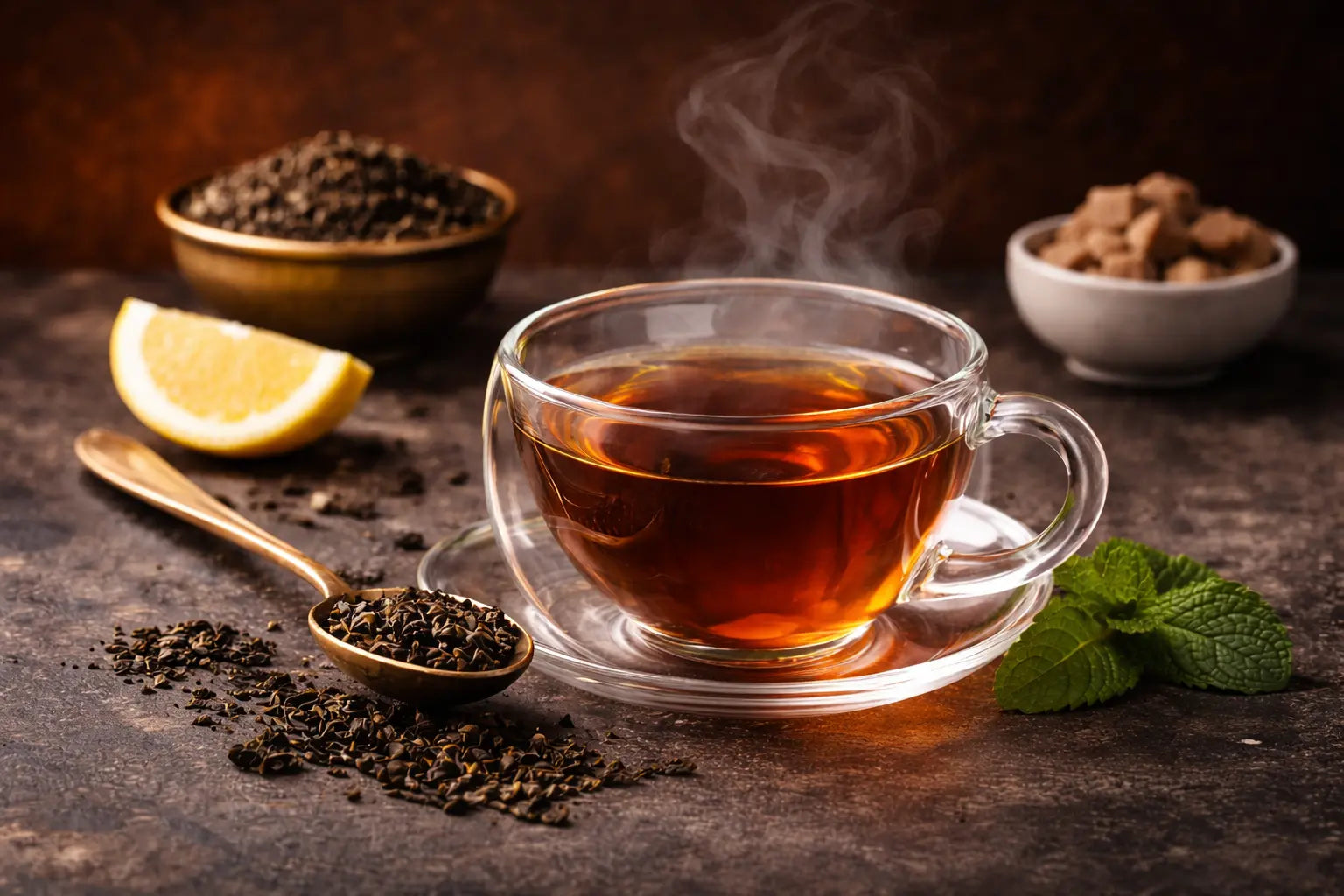
A bright, golden-red cup with a clean finish
A character that held up well against milk rather than being overwhelmed by it
Critically for blenders, reliable consistency from one harvest to the next.
Whether poured at breakfast or during a mid-afternoon break, it settled into British routine because it behaved the same way every time.
A Trade Built on Regional Variety
Part of the reputation this tea built was down to real variation across the island's growing regions beyond the delicate, floral character from the highest gardens. In the 1890s, Ceylon tea cultivation spread to lowland estates, resulting in fuller-bodied and stronger cups from the lowland estates, and everything in between.
Lipton and the Making of a Global Name
By the late 1800s, the industry had become a globally recognised mark of quality. Ceylon tea had become a product of rapidly growing export volumes, tightening production standards, and increasingly deliberate branding.
Sir Thomas Lipton played an outsized role here. He initiated the concept of cutting out middlemen to control production costs and buying directly from Sri Lankan estates. He also used global marketing for what he sourced to a far wider audience than the trade had reached before, doing as much as anyone to fix "quality" and "Sri Lanka" together in the public imagination.
The Legacy Today
More than 150 years on, tea remains central to Sri Lanka's identity, and the island's estates still produce some of the most respected tea in the world. What's changed is what today's drinkers are asking for: provenance, transparency, and a real answer to "where did this actually come from?"
That's not a new expectation so much as a return to the same thing that built the trade in the first place: genuine origin and consistent quality, rather than a name on a box.
A Timeline of the Trade
|
Year |
Milestone |
|
1824 |
Early tea plants introduced to the island for experimental cultivation |
|
1860s |
Coffee leaf rust devastates plantations, forcing estates to find a replacement crop |
|
1867 |
James Taylor establishes commercial production at Loolecondera Estate |
|
1873 |
One of the first commercial export shipments reaches London |
|
1883 |
The Colombo Tea Auction is established, strengthening the export trade |
|
20th century |
Sri Lanka becomes one of the world's most recognised premium tea origins |
|
Today |
The industry continues to be celebrated globally for authentic, single-origin quality |
Taste the History Yourself
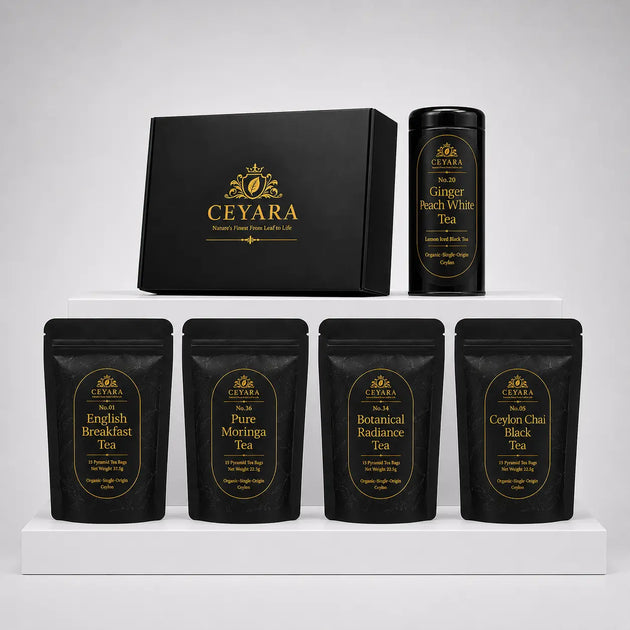
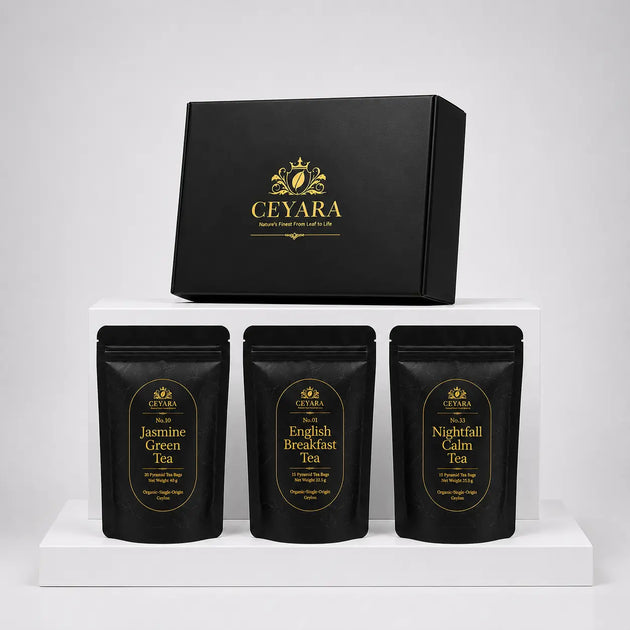
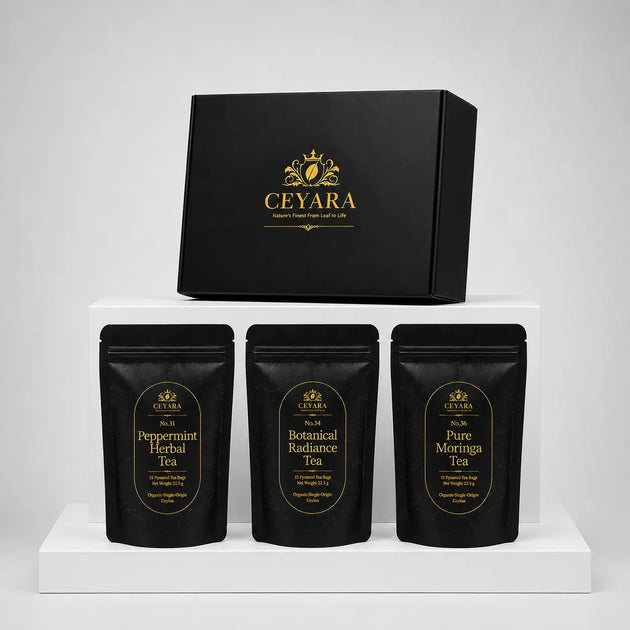
The trade route from those first highland gardens to British kitchens hasn't really changed; only just those walking it. Witness this journey through Ceyara's organic Ceylon tea collection, sourced from the same regions that built this reputation in the first place.

Written by Ceyara Ltd


Leave a comment
This site is protected by hCaptcha and the hCaptcha Privacy Policy and Terms of Service apply.